Seasonal Fertilization Guide: Month-by-Month Application Schedules

Table of Contents
- Introduction
- Understanding Fertilizer Timing
- Regional Considerations
- Spring Fertilization (March-May)
- Summer Fertilization (June-August)
- Fall Fertilization (September-November)
- Winter Fertilization (December-February)
- Crop-Specific Fertilization Schedules
- Organic Fertilization Alternatives
- Adapting to Climate Change
- Conclusion
Introduction
The timing of fertilizer application is just as critical as the type and amount of nutrients provided to your crops. A well-planned seasonal fertilization schedule aligns nutrient availability with plant growth cycles, maximizing efficiency while minimizing waste and environmental impact. Whether you're managing extensive row crops, specialty horticulture, or a home garden, understanding when and how to apply fertilizers throughout the year can significantly impact your growing success.
This comprehensive guide provides month-by-month fertilization recommendations customized for different growing regions, plant types, and agricultural practices. By following these seasonal schedules and adapting them to your specific conditions, you can optimize plant nutrition while practicing sustainable soil management.
Understanding Fertilizer Timing
Before diving into monthly schedules, it's important to understand the principles behind fertilization timing:
The Science of Nutrient Uptake
Plants don't require the same nutrients throughout their lifecycle. Their nutritional needs change dramatically based on growth stage:
- Vegetative Growth: Higher nitrogen (N) demands to support leaf and stem development
- Flowering/Fruiting: Increased phosphorus (P) and potassium (K) needs for reproductive development
- Root Establishment: Enhanced phosphorus requirements for strong root systems
- Maturation: Balanced nutrition with emphasis on quality-enhancing micronutrients
Environmental Factors
Timing is influenced by environmental conditions that affect nutrient availability:
- Soil Temperature: Most nutrients become more available as soil warms (ideally above 55°F/13°C)
- Soil Moisture: Proper moisture facilitates nutrient movement to plant roots
- Microbial Activity: Peaks during warm, moist conditions, enhancing organic matter breakdown and nutrient cycling
Application Principles
The following principles guide optimal fertilizer timing:
- Anticipate Need: Apply nutrients slightly before periods of peak demand
- Split Applications: Divide total fertilizer amounts into multiple, smaller applications
- Weather Considerations: Avoid application before heavy rain to prevent runoff and leaching
- Growth Cycles: Synchronize applications with key developmental stages
- Soil Testing: Base timing decisions on current soil nutrient levels
Regional Considerations
Fertilization timing varies significantly across geographic regions due to climate differences. Adapt your schedule based on your USDA Plant Hardiness Zone and local growing conditions:
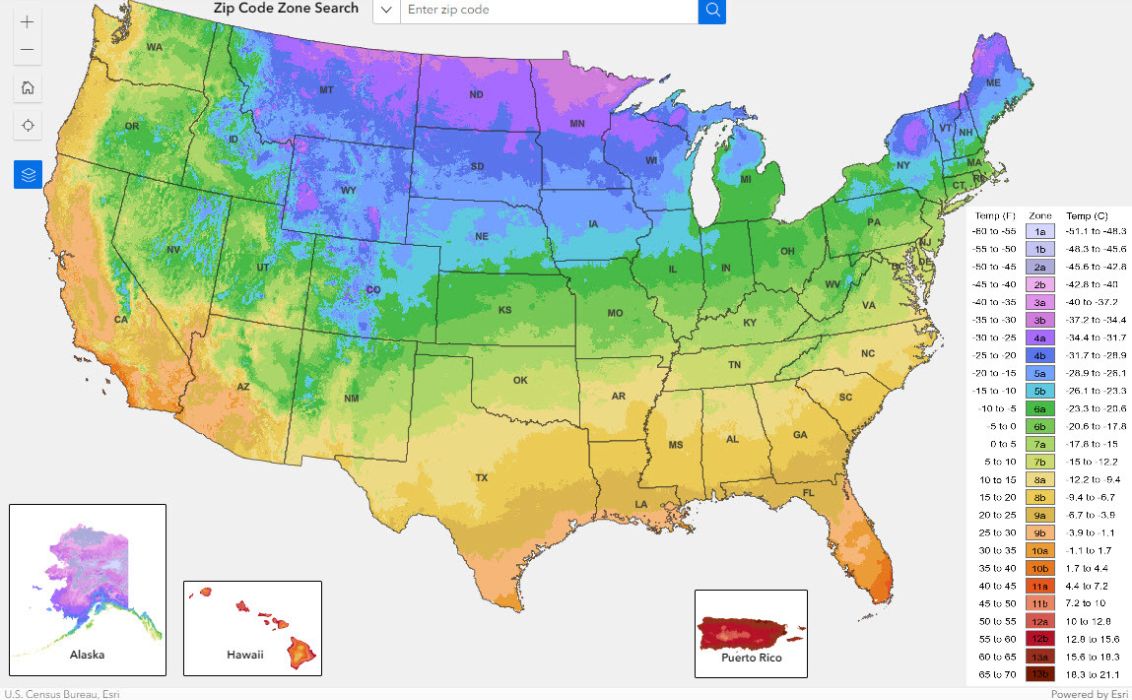
Northern Regions (Zones 3-5)
- Shorter growing seasons with late spring frost risk
- Primary fertilization window: late April to early October
- Fall applications should occur 6-8 weeks before first expected frost
- Spring applications often delayed until soil temperatures consistently reach 50°F (10°C)
Central Regions (Zones 6-7)
- Moderate growing seasons with varied temperature patterns
- Primary fertilization window: mid-March through mid-November
- Greater flexibility for split applications throughout growing season
- Important fall fertilization period for cool-season crops
Southern Regions (Zones 8-10)
- Extended growing seasons with mild winters
- Primary fertilization window: year-round with adjustments for heat stress
- Increased need for summer fertilization breaks during extreme heat
- Winter applications viable for many crops and soil amendments
Remember that local microclimates, elevation, and proximity to bodies of water can create significant variations even within the same hardiness zone. Always consult with your local extension office for region-specific recommendations.
Spring Fertilization (March-May)
Spring is the primary fertilization period for most crops, as plants emerge from dormancy and enter active growth phases. This is when many nutrients, particularly nitrogen, are most needed.
March: Early Spring Preparation
Field Crops
- Complete soil testing if not done in fall
- Apply pre-plant nitrogen for corn (30-50% of total season needs)
- Consider starter fertilizers with higher phosphorus content for cool soil conditions
- Begin pH correction with lime applications if soil tests indicate need
Vegetables
- Incorporate balanced NPK fertilizers or compost into garden beds before planting
- Apply 2-4 lbs of balanced fertilizer (10-10-10) per 100 square feet
- For cool-season vegetables (lettuce, spinach, peas), apply half-rate nitrogen
Perennials and Orchards
- Apply balanced fertilizers as buds begin to swell but before bloom
- For fruit trees, use 1 lb of 10-10-10 fertilizer per inch of trunk diameter
- Avoid high-nitrogen formulations that can stimulate excessive vegetative growth
April: Peak Spring Applications
Field Crops
- Apply nitrogen sidedress for early-planted corn when plants reach 4-6 inches
- Complete pre-plant fertilization for soybeans with emphasis on phosphorus and potassium
- For winter wheat, apply nitrogen topdress as plants begin active growth
Vegetables
- Apply starter solutions for transplants (half-strength balanced fertilizer)
- Begin foliar feeding programs for intensively managed vegetable crops
- For heavy feeders (tomatoes, peppers), prepare planting holes with balanced organic fertilizer
Turf and Ornamentals
- Apply spring lawn fertilizer with pre-emergent herbicides where needed
- Use slow-release nitrogen sources (25-50% slow-release N)
- Fertilize flowering shrubs before bloom with balanced formulations
May: Late Spring Follow-up
Field Crops
- Complete sidedress nitrogen applications for corn
- Apply post-planting nutrients for soybeans if soil tests indicated deficiencies
- Monitor crops for signs of micronutrient deficiencies as growth accelerates
Vegetables
- Begin regular feeding schedule for established plants (every 3-4 weeks)
- Apply additional nitrogen to leafy crops as needed
- Start transition to bloom-promoting formulations (higher P and K) for fruiting vegetables
Fruits and Berries
- Apply balanced fertilizer to berry patches after fruit set
- Consider foliar micronutrient sprays for fruit trees post-bloom
- Monitor soil moisture to ensure nutrient availability
| Crop Type | Early Spring (March) | Mid-Spring (April) | Late Spring (May) |
|---|---|---|---|
| Field Corn | Pre-plant N (30-50%) | Starter P (10-30-10) | Sidedress N (remainder) |
| Soybeans | P-K focused (0-20-20) | Minimal/no additional | Micronutrients if needed |
| Vegetables (Leafy) | Initial NPK (10-10-10) | Light N boost (21-0-0) | Continue N focus (15-5-5) |
| Vegetables (Fruiting) | Balanced NPK (10-10-10) | Starter solution at planting | Transition to P-K focus (5-10-10) |
| Fruit Trees | Pre-bloom NPK (10-10-10) | Post-bloom K focus | Micronutrient foliar sprays |
| Lawns (Cool Season) | Light N + Pre-emergent | Balanced NPK (20-5-10) | Iron supplements if needed |
Summer Fertilization (June-August)
Summer fertilization focuses on supporting established plants through periods of peak growth, fruit development, and potential stress conditions. Applications generally transition from growth promotion to stress mitigation and quality enhancement.
June: Early Summer Support
Field Crops
- Complete any remaining sidedress nitrogen applications for corn
- Monitor for signs of nitrogen deficiency in rapidly growing crops
- Consider foliar applications of micronutrients during reproductive stage
Vegetables
- Transition fruiting vegetables to higher potassium fertilizers
- Continue regular feeding program (every 2-3 weeks) with balanced fertilizer
- Apply calcium supplements for tomatoes to prevent blossom-end rot
Perennials and Fruits
- Apply light balanced fertilizer to berries after first harvest
- Avoid high-nitrogen applications on fruit trees
- Focus on potassium for stress resistance during summer heat
July: Mid-Summer Maintenance
Field Crops
- Minimize fertilizer applications during pollination periods
- Consider tissue testing for late-season adjustments
- Apply foliar nutrients if deficiency symptoms appear
Vegetables
- Maintain regular feeding schedule with emphasis on potassium
- For long-season crops, apply side dressing of balanced fertilizer
- Consider supplemental calcium and magnesium for fruiting crops
Lawns
- For cool-season grasses, minimize or avoid fertilization during heat stress
- For warm-season grasses, apply nitrogen-focused fertilizer
- Consider iron supplements for greening without excessive growth
August: Late Summer Transition
Field Crops
- Begin planning for fall soil sampling after harvest
- Evaluate season's fertilization program effectiveness
- Prepare for cover crop planting and associated fertility needs
Vegetables
- Prepare beds for fall vegetables with balanced fertilizer
- Reduce nitrogen for mature plants heading toward harvest
- Apply compost to areas that will be planted for fall crops
Perennials and Fruits
- Avoid fertilization of fruit trees (can stimulate late growth vulnerable to winter damage)
- Begin preparation for fall root-building fertilization
- Consider soil amendments for pH correction
| Crop Type | Early Summer (June) | Mid-Summer (July) | Late Summer (August) |
|---|---|---|---|
| Field Corn | Final sidedress N if needed | Foliar micronutrients | Post-harvest evaluation |
| Soybeans | Foliar nutrients if needed | Minimal applications | Soil testing planning |
| Vegetables (Leafy) | Regular feeding (15-5-10) | Continued light feeding | Prepare for fall crops |
| Vegetables (Fruiting) | K-focused (5-10-15) | K + Ca supplements | Reduce N, maintain K |
| Fruit Trees | Light K application | Minimal feeding | Avoid fertilization |
| Lawns (Warm Season) | High N (21-0-0) | Balanced NPK (16-4-8) | Light N application |
Fall Fertilization (September-November)
Fall fertilization is critical for preparing plants for winter dormancy and setting the stage for next year's growth. This period focuses on root development, energy storage, and soil building.
September: Early Fall Transition
Field Crops
- Complete soil testing after harvest
- Apply lime if pH adjustment is needed (allows time for soil reaction)
- Plant cover crops with appropriate starter fertilization
Vegetables
- Fertilize fall garden crops with balanced NPK
- Begin garden cleanup and composting
- Apply compost to harvested areas
Lawns
- Apply main fall fertilization for cool-season grasses
- Use fertilizer with higher phosphorus to encourage root growth
- Consider overseeding with starter fertilizer
October: Mid-Fall Foundation Building
Field Crops
- Apply phosphorus and potassium for next season based on soil tests
- Consider fall nitrogen applications in areas where appropriate (low leaching risk)
- Incorporate crop residues with additional nitrogen if needed for decomposition
Perennials and Orchards
- Apply balanced fertilizer to established perennials after first frost
- For fruit trees, apply phosphorus and potassium (avoid nitrogen)
- Mulch perennial beds after fertilizing
Lawns
- Apply winterizer fertilizer to cool-season lawns
- Reduce fertilization of warm-season grasses
- Address broadleaf weeds with weed-and-feed products where appropriate
November: Late Fall Preparations
Field Crops
- Complete fall fertilization before ground freeze
- Apply composted manure where spring crops will be planted
- Ensure cover crops are established
Vegetables
- Apply compost to garden beds
- Consider green manures where appropriate
- Test soil and add amendments based on results
Perennials and Trees
- Complete any remaining root-zone fertilization
- Apply slow-release organic nutrients that will break down over winter
- Avoid fertilizing new plantings that should be hardening off
| Crop Type | Early Fall (September) | Mid-Fall (October) | Late Fall (November) |
|---|---|---|---|
| Field Crops | Soil testing, lime | P-K application (0-20-20) | Cover crop support |
| Winter Wheat | Starter fertilizer at planting | Light N (if needed) | Soil amendments |
| Fall Vegetables | Balanced NPK (10-10-10) | Light feeding as needed | Bed preparation for spring |
| Fruit Trees | Late harvest support | P-K for root growth (0-10-10) | Complete root zone feeding |
| Lawns (Cool Season) | High N application (25-5-10) | Winterizer (10-10-20) | Final light application |
| Lawns (Warm Season) | Balanced NPK (16-4-8) | K focus for hardening (5-0-20) | No fertilization |
Winter Fertilization (December-February)
While winter is generally a period of reduced fertilization, there are still important tasks and specific situations where nutrient applications are beneficial. Winter fertilization varies dramatically by region.
December: Early Winter Assessment
Southern Regions
- Continue cool-season vegetable garden feeding in mild climates
- Apply balanced fertilizer to winter annual flowers
- Consider winter cover crops and their nutrient needs
Northern Regions
- Complete soil testing in unfrozen areas
- Plan next season's fertility program
- Consider snow cover and runoff potential for any winter applications
January: Mid-Winter Planning
Greenhouse and Indoor Growing
- Maintain regular feeding schedule for greenhouse crops
- Start seedlings with appropriate starter nutrients
- Apply diluted fertilizer to houseplants emerging from dormancy
Southern Regions
- Apply nutrients to actively growing winter vegetables
- Begin preparations for early spring plantings
- Consider slow-release fertilizers for ornamentals
February: Late Winter Preparation
Southern and Transition Zones
- Begin pre-season fertilization for early crops
- Apply balanced fertilizer to emerging perennials
- Prepare vegetable garden beds with compost and balanced NPK
Northern Regions
- Finalize fertilization plans for the coming season
- Order or acquire fertilizers and amendments
- Start seedlings with appropriate nutrients
| Crop Type | Early Winter (December) | Mid-Winter (January) | Late Winter (February) |
|---|---|---|---|
| Field Crops (South) | Cover crop support | Planning phase | Early preparations |
| Field Crops (North) | Planning only | No applications | Acquisition of materials |
| Winter Vegetables (South) | Light balanced feeding | Regular NPK (10-10-10) | Continued support |
| Greenhouse Crops | Regular feeding schedule | Continued balanced NPK | Preparation for transplant |
| Fruit Trees (South) | No applications | No applications | Pre-bud break nutrients |
| Lawns | No applications | No applications | Early green-up (warm regions) |
Crop-Specific Fertilization Schedules
Different crops have unique nutritional needs and timing requirements. Here are detailed schedules for major crop categories:
Row Crops
Corn
- Pre-plant: 30-50% of total N, full P-K based on soil test
- Planting: Starter fertilizer (10-34-0 or similar) 2" below and 2" to side of seed
- V6 Stage: Sidedress remaining N requirements
- VT/R1 Stage: Optional foliar micronutrients if deficiencies appear
- Typical Seasonal Requirements: 180-240 lbs N/acre, 60-80 lbs P₂O₅/acre, 80-120 lbs K₂O/acre
Soybeans
- Pre-plant: Full P-K application based on soil test (no/minimal N)
- Planting: Starter with minimal N if needed
- R1-R3 Stages: Foliar micronutrients if deficiency symptoms appear
- Typical Seasonal Requirements: 0-30 lbs N/acre, 40-60 lbs P₂O₅/acre, 60-100 lbs K₂O/acre
Wheat
- Pre-plant/At Planting: 20-30 lbs N/acre, full P-K based on soil test
- Green-up (Spring): 60-80 lbs N/acre
- Jointing Stage: Additional 30-50 lbs N/acre if needed
- Typical Seasonal Requirements: 90-150 lbs N/acre, 30-60 lbs P₂O₅/acre, 30-60 lbs K₂O/acre
Vegetable Crops
Tomatoes
- Pre-plant: Balanced NPK (10-10-10) at 2-3 lbs per 100 sq ft
- Transplanting: Starter solution with high P
- First Flowers: Transition to higher K fertilizer (5-10-15)
- Fruit Development: Calcium supplementation, continued K focus
- Every 3-4 Weeks: Light applications of balanced fertilizer
Leafy Greens
- Pre-plant: Balanced NPK (10-10-10) at 2 lbs per 100 sq ft
- 2-3 Weeks After Emergence: Nitrogen sidedress (21-0-0) at 1/2 lb per 100 sq ft
- Continued Growth: Light nitrogen applications every 3 weeks
Fruit Trees and Berries
Apple Trees
- Early Spring (Bud Break): Balanced NPK (10-10-10) at 1 lb per inch of trunk diameter
- Post-bloom: Calcium and boron foliar sprays
- Summer: Minimal fertilization
- Fall (Post-harvest): P-K application (0-10-10) for root development
Blueberries
- Early Spring: Acidic fertilizer (12-4-8) specially formulated for acid-loving plants
- Post-harvest: Second application of acidic fertilizer
- Winter: Sulfur additions if pH correction is needed
Turfgrass
Cool-Season Grasses (Bluegrass, Fescue, Ryegrass)
- Early Spring: Light N with pre-emergent (20-5-10) at 3/4 lb N per 1000 sq ft
- Late Spring: Light balanced feeding (20-5-10) at 1/2 lb N per 1000 sq ft
- Summer: Minimal or no fertilization
- Early Fall: Primary feeding (25-5-10) at 1 lb N per 1000 sq ft
- Late Fall: Winterizer (10-10-20) at 1 lb N per 1000 sq ft
Warm-Season Grasses (Bermuda, Zoysia, St. Augustine)
- Spring Green-up: Balanced fertilizer when fully green
- Early Summer: High N fertilizer (21-0-0) at 1 lb N per 1000 sq ft
- Mid-Summer: Balanced fertilizer (16-4-8) at 1 lb N per 1000 sq ft
- Early Fall: K-focused fertilizer (5-0-20) at 1/2 lb N per 1000 sq ft
- Winter: No fertilization during dormancy
Organic Fertilization Alternatives
Organic fertilization follows the same seasonal timing principles but uses natural materials that release nutrients through biological processes. These schedules may need adjustment for slower nutrient availability:
Organic Fertilizer Types and Release Patterns
| Organic Material | NPK Range | Release Speed | Best Seasonal Timing |
|---|---|---|---|
| Compost | 1-1-1 to 3-1-2 | Slow to Medium | Fall and early spring |
| Composted Manure | 1-1-1 to 3-2-1 | Slow to Medium | Fall and early spring |
| Blood Meal | 12-0-0 | Medium | Spring and summer |
| Bone Meal | 3-15-0 | Slow | Fall and early spring |
| Fish Emulsion | 5-1-1 | Quick | Active growing season |
| Seaweed Extract | 1-1-2 | Quick | Throughout growing season |
| Alfalfa Meal | 2-1-2 | Medium | Spring |
Organic Application Strategy
- Fall Foundation: Apply slow-release materials (compost, bone meal) in fall for spring availability
- Spring Boost: Supplement with quicker-release materials as plants begin active growth
- Growing Season: Use liquid organic fertilizers (fish emulsion, compost tea) for in-season feeding
- Cover Cropping: Integrate cover crops into rotation for natural fertility building
Month-by-Month Organic Schedule
Fall (September-November)
- Apply bulk compost (1-2 inches) to garden beds
- Add bone meal for phosphorus-demanding spring crops
- Plant legume cover crops for nitrogen fixation
- Apply rock minerals for slow-release micronutrients
Spring (March-May)
- Incorporate cover crops 2-3 weeks before planting
- Apply composted manure for nitrogen release
- Use fish emulsion for transplants and early growth
- Add kelp meal for micronutrients and growth stimulation
Summer (June-August)
- Apply compost tea every 2-3 weeks
- Use diluted fish emulsion for heavy feeders
- Apply seaweed extract during stress periods
- Side-dress with compost for long-season crops
Adapting to Climate Change
Climate change is altering traditional fertilization schedules through shifting growing seasons, increased extreme weather events, and changes in precipitation patterns. Consider these adaptations:
Shifting Timing Windows
- Earlier spring applications in regions experiencing earlier warm-ups
- Extended fall application windows in areas with delayed first frosts
- Adjustment of critical growth stage timing as seasons shift
- Monitoring soil temperature rather than calendar dates for application timing
Weather Extremes Mitigation
- Increased split applications to reduce losses from heavy rainfall events
- Enhanced focus on stress-mitigating nutrients during heat waves
- Improved irrigation management to ensure nutrient availability
- Selection of fertilizer formulations less susceptible to volatilization in higher temperatures
Enhanced Monitoring
- More frequent soil testing to track changing nutrient dynamics
- In-season tissue testing to address emerging deficiencies
- Weather data integration for fertilization timing decisions
- Tracking of pest and disease pressures that affect nutrient needs
Future-Focused Practices
- Enhanced focus on soil organic matter for resilience
- Diversification of nutrient sources
- Integration of slow-release technologies
- Adoption of precision application methods to maximize efficiency
Conclusion
A well-planned seasonal fertilization schedule is a cornerstone of successful crop production and landscape management. By aligning nutrient applications with plant growth cycles, soil conditions, and environmental factors, you can maximize efficiency while minimizing waste and environmental impact.
Remember that these guidelines provide a framework that should be adapted to your specific conditions. Soil testing remains the foundation of any fertilization program, providing the data needed to make informed decisions about nutrient types, amounts, and timing.
As you implement your fertilization schedule, keep detailed records of applications, weather conditions, and crop responses. This information will become invaluable for refining your approach in subsequent seasons. With consistent attention to timing and plant needs, you'll develop a fertilization program that supports robust plant health, optimal yields, and sustainable soil management.