Maximizing Tomato Yields: Complete Nutrient Management Guide
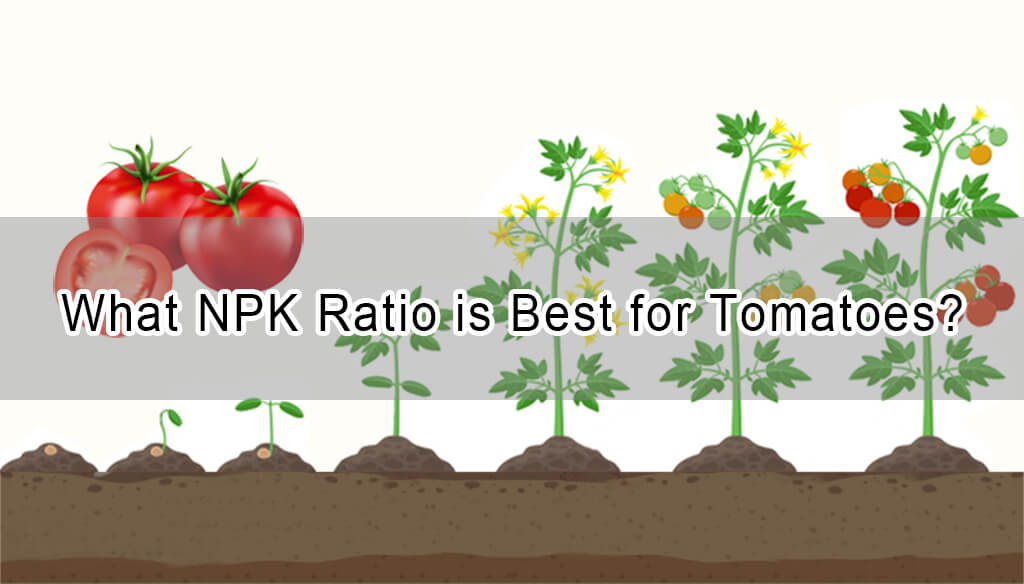
Healthy tomato plants with proper nutrient management showing optimal growth and fruiting
Growing tomatoes can be incredibly rewarding, but achieving those picture-perfect, bountiful harvests requires more than just regular watering and sunlight. The secret to truly maximizing your tomato yields lies in understanding and implementing proper nutrient management strategies throughout the growing season. Whether you're a beginner gardener or a seasoned pro looking to improve your harvests, this comprehensive guide will walk you through everything you need to know about feeding your tomato plants for optimal production.
Tomatoes are heavy feeders, requiring a specific balance of nutrients at different growth stages to produce their best. From seedling to harvest, each phase demands different nutritional support. By understanding these requirements and learning to identify nutrient deficiencies early, you can intervene before problems affect your yield. In this guide, we'll explore the science behind tomato nutrition, practical application techniques, and sustainable approaches that will help you grow healthier, more productive plants.
Table of Contents
- Understanding NPK Requirements for Tomatoes
- Nutrient Needs by Growth Stage
- Soil Preparation and pH Management
- Organic Fertilization Methods
- Identifying and Correcting Nutrient Deficiencies
- Essential Micronutrients for Tomato Health
- Seasonal Fertilization Strategy
- Watering and Nutrient Uptake
- Best Practices for Maximum Yields
- Common Fertilization Mistakes to Avoid
- Conclusion: Putting It All Together
Understanding NPK Requirements for Tomatoes
When it comes to fertilizing tomatoes, understanding the NPK ratio is crucial. NPK stands for Nitrogen (N), Phosphorus (P), and Potassium (K), the three primary nutrients that plants need in larger amounts. Each plays a distinct role in tomato plant development:
- Nitrogen (N): Responsible for leaf and stem growth, nitrogen promotes lush foliage development. While essential, excessive nitrogen can lead to beautiful plants with few fruits.
- Phosphorus (P): Critical for root development, flowering, and fruit set. Phosphorus is particularly important in the early stages of growth and during fruit formation.
- Potassium (K): Enhances overall plant vigor, disease resistance, and fruit quality. Potassium is especially important during the fruiting stage for developing flavorful tomatoes.
Different stages of tomato growth require different NPK ratios. Generally, tomatoes benefit from a balanced fertilizer (such as 10-10-10) at planting time, but as they begin to flower and set fruit, a fertilizer with less nitrogen and more phosphorus and potassium (like 5-10-10 or 2-3-1) is more beneficial.
Pro Tip: For early-season growth, look for fertilizers with NPK ratios like 24-8-16 or 18-18-21. As plants transition to flowering and fruiting, switch to formulas with higher potassium content, such as 9-15-30 or 4-7-10.
Nutrient Needs by Growth Stage
Understanding how tomato plants' nutritional needs change throughout their development cycle is key to maximizing yields. Let's break down the major growth stages and their specific requirements:
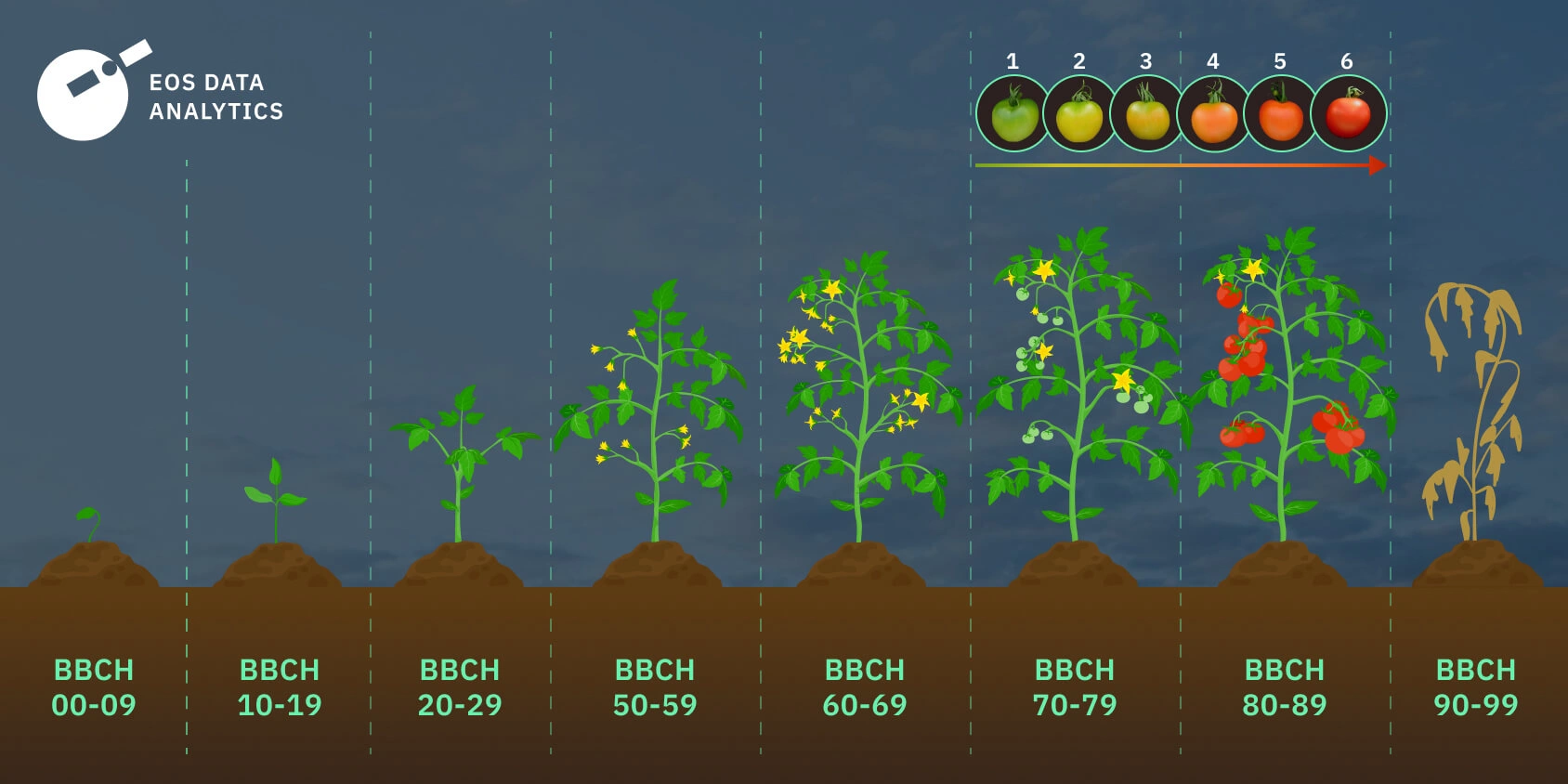
Different growth stages of tomato plants and their developmental characteristics
1. Seedling Stage (0-4 weeks)
During this initial phase, tomato plants are establishing their root systems and developing their first true leaves.
- Primary Need: Phosphorus for strong root development
- Recommended NPK: 1-1-1 or slightly higher in phosphorus
- Application: Start with a balanced, diluted fertilizer or rely on nutrients from a high-quality seed starting mix
2. Vegetative Growth (4-8 weeks)
This is when tomato plants focus on developing stems, leaves, and building their overall structure.
- Primary Need: Nitrogen to support leafy growth with adequate phosphorus for continued root development
- Recommended NPK: 2-1-1 or 3-1-2 ratios work well
- Application: Regular feeding every 10-14 days with liquid fertilizer or controlled-release granular formulations
3. Flowering Stage (8-11 weeks)
As plants begin to produce flowers, nutritional needs shift significantly.
- Primary Need: Phosphorus and potassium for flower production and fruit set
- Recommended NPK: 1-2-2 or 1-3-2 ratios
- Application: Transition to bloom-boosting fertilizers; reduce nitrogen to prevent excessive vegetative growth
4. Fruiting Stage (11+ weeks)
The final and most critical stage for yield production.
- Primary Need: Potassium for fruit development and quality, with balanced support from other nutrients
- Recommended NPK: 1-1-2 or 1-2-3 ratios
- Application: Continue regular feeding with fruit-promoting fertilizers; supplement with calcium to prevent blossom end rot
Growth Stage Tip: Monitor plant appearance closely during transitions between growth stages. Yellowing lower leaves during the transition to flowering is normal and doesn't necessarily indicate a nutrient deficiency—it's just the plant redirecting energy toward fruit production.
Soil Preparation and pH Management
Before diving into fertilization strategies, it's essential to understand that proper soil preparation creates the foundation for nutrient availability. Tomatoes thrive in well-draining, organically rich soil with a pH between 6.0 and 6.8. This slightly acidic to neutral range optimizes nutrient availability and uptake.
Testing Your Soil
Start by testing your soil's pH and nutrient levels. Inexpensive soil test kits are available at garden centers, or you can send samples to your local agricultural extension office for a more comprehensive analysis. This baseline information will guide your soil amendment strategy.
Adjusting Soil pH
- To lower pH (make soil more acidic): Add elemental sulfur, aluminum sulfate, or organic materials like pine needles or coffee grounds.
- To raise pH (make soil more alkaline): Incorporate agricultural lime or wood ash.
Building Better Soil
Regardless of your current soil conditions, all tomato plants benefit from these soil-enhancing practices:
- Add 2-4 inches of compost to planting beds to improve structure and add slow-release nutrients
- Incorporate aged manure (at least 6 months old) to increase organic matter and microbial activity
- Consider adding worm castings, which provide nutrients and beneficial microorganisms
- For clay soils, add perlite or coarse sand to improve drainage
- For sandy soils, add extra organic matter to improve water retention
Important: Make pH adjustments 2-3 months before planting if possible, as changes take time to stabilize. Avoid fresh manure, which can burn plants and introduce pathogens. Always use aged or composted manure products.
Organic Fertilization Methods
Many gardeners prefer organic approaches to feeding their tomato plants, which not only provide nutrients but also improve soil health over the long term. Here are some effective organic fertilization methods for tomatoes:
Compost and Compost Tea
Compost is the foundation of organic gardening. Well-decomposed compost provides a balanced mix of nutrients and improves soil structure.
- Application: Mix 2-3 inches of compost into soil before planting. Side-dress with additional compost monthly during the growing season.
- Compost Tea: Steep finished compost in water for 24-48 hours, then strain and apply the liquid to soil around plants or as a foliar spray. This provides readily available nutrients and beneficial microorganisms.
Natural Fertilizer Recipes
These homemade solutions can be excellent supplements to your regular fertilization routine:
Eggshell Calcium Boost
- Save and rinse eggshells, then bake at 200°F (93°C) for 10-15 minutes to sanitize
- Grind shells into a fine powder using a coffee grinder or mortar and pestle
- Mix 1-2 tablespoons into the soil around each plant to provide calcium, helping prevent blossom end rot
Banana Peel Fertilizer
- Dry banana peels and crush them into small pieces
- Work pieces into the soil around tomato plants for a potassium boost
- Alternatively, soak fresh peels in water for 48 hours and use the resulting liquid to water plants
Fish Emulsion
- Dilute purchased fish emulsion according to package directions (typically 1 tablespoon per gallon of water)
- Apply every 2-3 weeks during active growth periods
- Note: While effective, this has a strong odor that dissipates after a day or two
Organic Commercial Products
When choosing commercial organic fertilizers for tomatoes, look for these options:
- Blood Meal: High in nitrogen (12-0-0), excellent for early growth stages
- Bone Meal: Rich in phosphorus (0-10-0) for root development and flowering
- Kelp Meal: Provides potassium and trace minerals, excellent for fruiting stages
- Alfalfa Meal: Balanced nutrition (2-1-2) with growth-promoting triacontanol
- Specialized Tomato Fertilizers: Products like Espoma Tomato-tone (3-4-6) or Dr. Earth Tomato Fertilizer (4-6-3) are formulated specifically for tomato plants' needs
Identifying and Correcting Nutrient Deficiencies
Even with careful planning, tomato plants may develop nutrient deficiencies that can reduce your yield. Learning to recognize the symptoms early allows for prompt correction before harvest is affected.
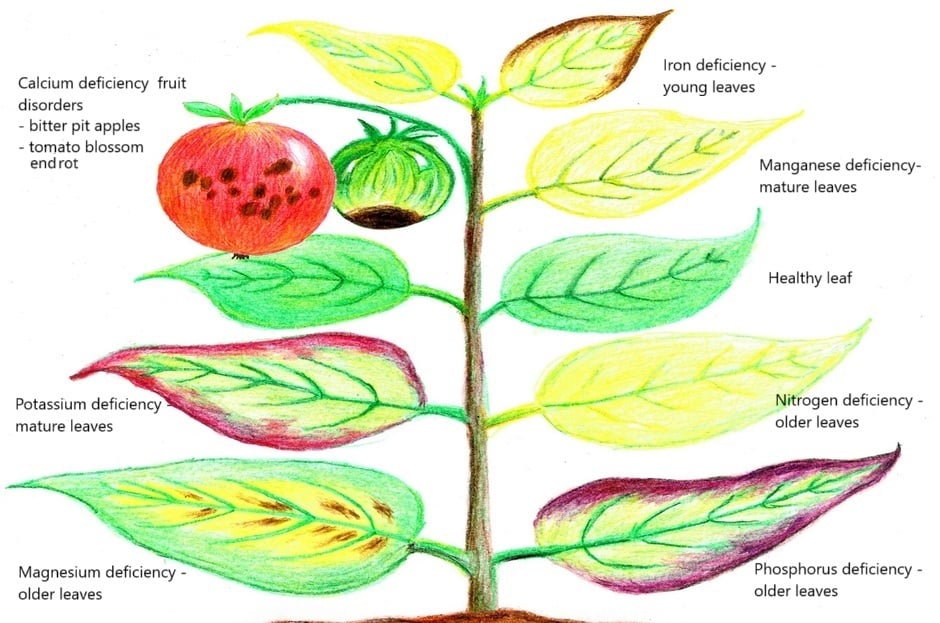
Visual guide to identifying different nutrient deficiencies in plants
Common Deficiency Symptoms and Solutions
| Nutrient | Symptoms | Correction Methods |
|---|---|---|
| Nitrogen (N) | Yellowing of older leaves starting from the bottom of the plant; stunted growth; thin stems | Apply balanced fertilizer, fish emulsion, blood meal, or diluted urine (1:10 with water); compost tea |
| Phosphorus (P) | Purplish tint on leaves, particularly undersides; stunted growth; poor flowering | Bone meal; rock phosphate; fish bone meal; warm the soil (phosphorus is less available in cold soil) |
| Potassium (K) | Yellowing/browning leaf edges; weak stems; small fruits with poor color | Wood ash (if soil pH is below 6.5); kelp meal; greensand; banana peels; compost |
| Calcium (Ca) | Blossom end rot (dark, sunken areas at bottom of fruit); curling leaf tips; stunted root growth | Crushed eggshells; lime (if pH is below 6.0); gypsum (if pH is already optimal); foliar spray with calcium solution |
| Magnesium (Mg) | Interveinal chlorosis (yellowing between leaf veins) starting on older leaves | Epsom salts (1 tablespoon per gallon of water); dolomitic lime if pH is low; compost |
| Sulfur (S) | Yellowing of newer leaves; spindly plants | Gypsum; elemental sulfur; aged manure |
Diagnostic Tip: Before assuming a nutrient deficiency, rule out pests, diseases, and environmental stressors, which can sometimes cause similar symptoms. Also note that over-fertilization can create nutrient imbalances that look like deficiencies—sometimes the solution is to flush the soil rather than add more nutrients.
Essential Micronutrients for Tomato Health
While NPK and secondary nutrients (calcium, magnesium, sulfur) get most of the attention, micronutrients—though needed in small amounts—are equally critical for tomato health and productivity. These "trace elements" act as catalysts for many plant processes and can dramatically affect yields when deficient.
Key Micronutrients and Their Functions
- Iron (Fe): Essential for chlorophyll production and energy transfer processes. Deficiency causes interveinal chlorosis on young leaves, unlike magnesium deficiency which affects older leaves first.
- Manganese (Mn): Activates enzymes involved in photosynthesis, respiration, and nitrogen assimilation. Deficiency causes mottled yellowing with small green veins on young leaves.
- Zinc (Zn): Required for auxin production, which regulates plant growth. Deficiency leads to "little leaf" syndrome—abnormally small leaves with shortened internodes.
- Boron (B): Critical for cell wall formation, pollen tube growth, and fruit development. Deficiency causes stunted growth, thick, brittle leaves, and hollow, discolored fruit.
- Copper (Cu): Important for photosynthesis and reproductive growth. Deficiency appears as twisted young leaves and dieback of shoot tips.
- Molybdenum (Mo): Essential for nitrogen utilization. Deficiency causes pale leaves with rolled or cupped margins.
Addressing Micronutrient Needs
Rather than treating micronutrients individually, take these holistic approaches:
- Apply complete organic matter like compost or well-rotted manure, which contains a wide spectrum of micronutrients
- Use seaweed extracts or kelp meal for a broad-spectrum micronutrient supplement
- Consider periodic foliar applications of diluted micronutrient solutions for faster uptake
- Maintain proper soil pH—most micronutrients become less available in alkaline conditions (above 7.0)
Balanced Nutrition Principle: The most effective strategy for micronutrient management is preventative—consistently adding diverse organic materials to your soil builds a natural reservoir of all necessary elements in balanced proportions.
Seasonal Fertilization Strategy
A successful tomato fertilization plan follows a seasonal rhythm aligned with the plant's changing needs and environmental conditions. Here's a month-by-month approach that you can adapt to your specific climate:
Early Spring (1-2 Months Before Planting)
- Test soil and make necessary pH adjustments
- Incorporate slow-release amendments like compost, aged manure, and bone meal into planting beds
- For heavy feeders like tomatoes, consider adding a balanced, slow-release organic fertilizer to the soil
Planting Time (Spring)
- Add 1-2 tablespoons of bone meal to each planting hole to encourage strong root development
- Consider adding crushed eggshells or other calcium sources to prevent blossom end rot later
- Use a diluted, balanced liquid fertilizer when transplanting to reduce shock
Early Growing Season (2-4 Weeks After Planting)
- Apply balanced fertilizer with moderate nitrogen to support vegetative growth
- Begin regular feeding schedule with diluted liquid fertilizers every 10-14 days
- Monitor plants for signs of nutrient deficiencies, particularly as they begin to grow rapidly
Main Growing Season (When First Flowers Appear)
- Transition to fertilizers with higher phosphorus and potassium ratios to encourage flowering and fruiting
- Side-dress with compost or granular organic fertilizer, keeping it several inches away from stems
- Continue regular applications of calcium-rich solutions to prevent blossom end rot
Peak Fruiting Season
- Focus on potassium-rich fertilizers to improve fruit quality and disease resistance
- Reduce nitrogen inputs to avoid stimulating excessive leaf growth at the expense of fruit
- Apply seaweed extract or other micronutrient-rich supplements for balanced nutrition
Late Season
- Gradually reduce fertilization as temperatures cool and growth slows
- Apply a final side-dressing of compost to improve soil for next season
- In warmer climates where tomatoes continue producing into fall, maintain a lighter feeding schedule with emphasis on potassium and phosphorus
Climate Considerations: Adjust this schedule based on your local climate. In hot regions, tomato plants may need more frequent, lighter fertilization during summer heat. In cooler areas, you might extend early and mid-season feedings as plants take longer to mature.
Watering and Nutrient Uptake
Water management and fertilization are intimately connected. Even perfect nutrient levels won't benefit your tomatoes if watering practices aren't optimized for nutrient uptake and utilization.
The Water-Nutrient Connection
Plants absorb nutrients through their roots in dissolved form, making proper soil moisture essential for nutrient uptake. Both overwatering and underwatering can create problems:
- Overwatering: Saturated soil lacks oxygen, impeding root respiration and nutrient uptake. It can also leach away water-soluble nutrients, particularly nitrogen.
- Underwatering: Without adequate moisture, nutrients remain undissolved and unavailable to plants, leading to deficiencies even when nutrients are present in the soil.
Best Watering Practices for Nutrient Efficiency
- Water deeply and less frequently rather than shallowly and often. This encourages deeper root growth and better nutrient extraction from the soil profile.
- Maintain consistent soil moisture to prevent stress and ensure continuous nutrient uptake. Aim for soil that's moist like a wrung-out sponge.
- Water at the base of plants rather than overhead to minimize evaporation and disease while maximizing root absorption.
- Use drip irrigation or soaker hoses for slow, efficient water delivery that minimizes runoff and nutrient leaching.
- Mulch around plants with 2-3 inches of organic material to retain moisture, regulate soil temperature, and gradually add nutrients as the mulch breaks down.
Timing of Fertilizer Application
Coordinate watering and fertilizing for maximum benefit:
- Apply water-soluble fertilizers to already moist soil, never to dry soil which can cause root burn
- For granular fertilizers, apply to slightly moist soil and water in thoroughly afterward
- Avoid fertilizing during the hottest part of the day or immediately before heavy rain is expected
- Morning applications are generally ideal, giving plants time to absorb nutrients throughout the day
Moisture Monitoring Tip: Insert your index finger into the soil up to the second knuckle. If it comes out dry, it's time to water. For more precision, use a moisture meter, particularly helpful for container-grown tomatoes.
Best Practices for Maximum Yields
Beyond proper nutrition, several complementary practices can significantly boost your tomato yields:
1. Proper Plant Spacing
Give tomato plants adequate space based on variety: 24-36 inches for indeterminate types and 18-24 inches for determinate types. Proper spacing ensures each plant receives sufficient light, air circulation, and nutrients without competition.
2. Strategic Pruning
For indeterminate varieties, remove suckers (shoots that grow in the crotch between the main stem and branches) to direct energy toward fruit production rather than excess foliage. For determinate varieties, minimal pruning is needed—just remove leaves touching the ground.
3. Robust Support Systems
Use sturdy cages, stakes, or trellises to keep plants upright. This maximizes sun exposure, improves air circulation (reducing disease), and prevents fruits from touching the ground where they can rot or be damaged by pests.
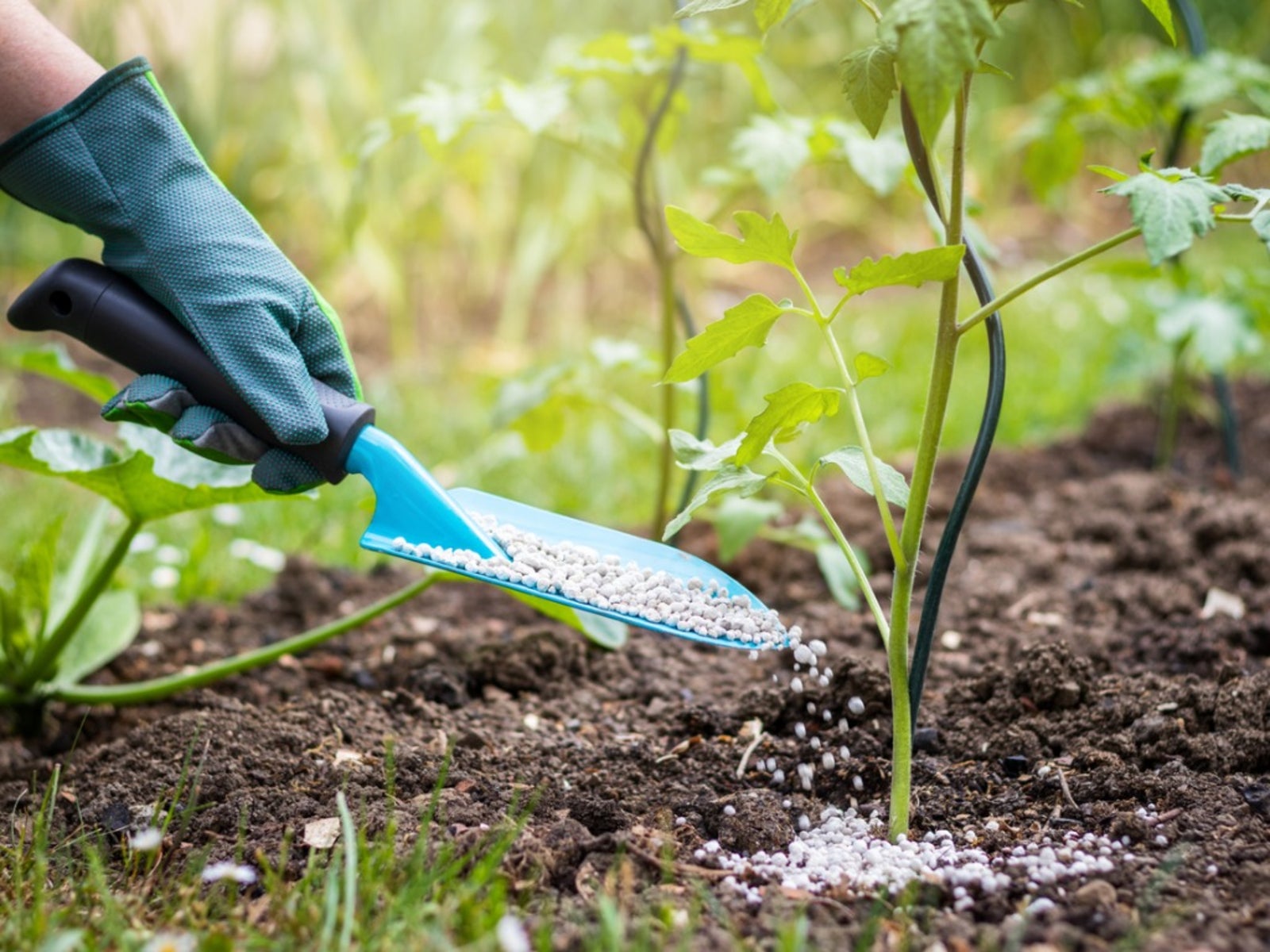
Well-supported tomato plants with proper staking for maximum yield
4. Companion Planting
Certain companion plants can enhance tomato health and productivity:
- Basil: Repels certain pests and may improve flavor
- Marigolds: Deter nematodes and other soil-borne pests
- Borage: Attracts pollinators and may deter tomato hornworms
- Garlic and onions: Help prevent various fungal diseases
5. Soil Temperature Management
Tomatoes prefer soil temperatures between 65-85°F (18-29°C). Use dark mulch in spring to warm soil faster, then switch to light-colored or organic mulch during summer heat to moderate temperature extremes.
6. Pollination Enhancement
Tomatoes are self-pollinating but benefit from a little help, particularly in enclosed spaces or during periods of high humidity or rain:
- Gently tap flowering stems during mid-day when pollen is most viable
- Use a small, soft brush to transfer pollen between flowers
- Consider using a battery-operated pollinator tool for larger plantings
7. Stress Management
Minimize stress factors that can reduce yields:
- Protect plants from temperature extremes with shade cloth or row covers as needed
- Maintain consistent watering schedules to prevent drought stress and blossom drop
- Apply mulch to regulate soil temperature and moisture
- Monitor and manage pests promptly before they cause significant damage
Common Fertilization Mistakes to Avoid
Even experienced gardeners can fall into these common fertilization pitfalls that limit tomato production:
1. Over-fertilizing
Excess fertilizer—especially nitrogen—can create lush, dark green plants with few fruits. It can also lead to salt buildup in soil, burning roots and reducing nutrient uptake. Signs include leaf edge browning, wilting despite adequate water, and crusty white deposits on soil surface.
Solution: Follow package directions carefully, erring on the side of under-fertilizing rather than over-fertilizing. More is not better when it comes to plant nutrition.
2. Improper Timing
Applying the wrong type of fertilizer at the wrong growth stage can reduce yields significantly. For example, high-nitrogen fertilizers during flowering and fruiting stages promote foliage at the expense of fruit production.
Solution: Match fertilizer composition to plant growth stage as outlined earlier in this guide.
3. Ignoring Soil pH
Even with abundant nutrients present, if soil pH is outside the optimal range (6.0-6.8 for tomatoes), many nutrients become unavailable to plants.
Solution: Test soil pH regularly and make adjustments as needed with lime (to raise pH) or sulfur (to lower pH).
4. Inconsistent Feeding
Feast-or-famine feeding schedules—letting plants become nutrient-deficient and then over-fertilizing—stresses plants and reduces overall productivity.
Solution: Develop and follow a regular fertilization schedule with smaller, more frequent applications rather than occasional heavy doses.
5. Neglecting Micronutrients
Focusing exclusively on NPK while ignoring calcium, magnesium, and micronutrients can lead to hidden deficiencies that limit yields.
Solution: Use complete fertilizers, incorporate diverse organic materials into soil, and consider occasional foliar applications of seaweed extract or other micronutrient sources.
6. Fertilizing at the Wrong Time of Day
Applying fertilizer during the hottest part of the day can stress plants and cause fertilizer burn, especially with liquid applications.
Solution: Apply fertilizers in early morning or late afternoon/evening when temperatures are cooler.
Warning: Never apply fertilizer to wilted plants. Water them first and wait until they recover before fertilizing, or you risk damaging already stressed root systems.
Conclusion: Putting It All Together
Mastering tomato nutrient management is both an art and a science. By understanding your plants' changing nutritional needs throughout their lifecycle, you can provide targeted support that results in healthier plants and dramatically increased yields.
Remember these key principles:
- Start with well-prepared soil in the correct pH range (6.0-6.8)
- Adjust your fertilization approach based on growth stage—more nitrogen early on, more phosphorus during flowering, and more potassium during fruiting
- Monitor plants regularly for signs of nutrient deficiencies and correct promptly
- Consider organic options that build soil health while feeding plants
- Coordinate watering and fertilization for maximum nutrient uptake
- Implement complementary best practices to reduce plant stress and optimize growing conditions
With these strategies in place, you'll be well on your way to growing tomato plants that are not only productive but also resilient against pests, diseases, and environmental stressors. The result? Beautiful, bountiful harvests of delicious tomatoes that make all your gardening efforts worthwhile.
Remember that local conditions matter—soil types, climate, and even water chemistry can influence your specific fertilization needs. Don't hesitate to reach out to your local agricultural extension office for region-specific recommendations that can further fine-tune your approach.
Happy growing!